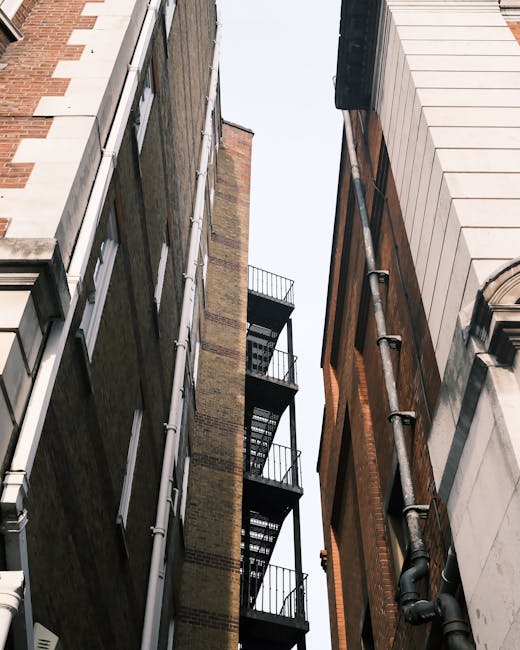
Tackling Fly-Tipping in Your London Alleyway
If you have ever stepped into a London alleyway and found black bags, broken furniture, paint tins, or a mystery mattress blocking the way, you already know the feeling: frustration first, then the slower realisation that someone now has to deal with it. Tackling fly-tipping in your London alleyway is rarely just about tidying up. It is about access, hygiene, safety, neighbour relations, and stopping a small problem from becoming one of those annoying, ongoing local messes that everyone walks past but nobody wants to own. This guide walks through what matters, what to do next, and how to handle the job in a sensible, lawful, no-drama way.
Whether you manage a block, look after a private passage, or simply share an alley with neighbours and back-garden access, the practical approach is much the same: assess the site, reduce risk, remove waste properly, and make it harder for fly-tippers to come back. Simple enough on paper. In real life, not always. Let's get into it.
Table of Contents
- Why Tackling Fly-Tipping in Your London Alleyway Matters
- How Tackling Fly-Tipping in Your London Alleyway Works
- Key Benefits and Practical Advantages
- Who This Is For and When It Makes Sense
- Step-by-Step Guidance
- Expert Tips for Better Results
- Common Mistakes to Avoid
- Tools, Resources and Recommendations
- Law, Compliance, Standards, or Best Practice
- Options, Methods, or Comparison Table
- Case Study or Real-World Example
- Practical Checklist
- Conclusion
- Frequently Asked Questions
Why Tackling Fly-Tipping in Your London Alleyway Matters
Fly-tipping in an alleyway is not just an eyesore. It changes how the space functions. A narrow rear lane or shared passage can quickly become harder to use, harder to secure, and much less pleasant to live near. In London, where access routes are often tight and bins, deliveries, and back entrances all compete for space, a blocked alley can affect more than one household at once.
There is also the knock-on effect. A single dumped sofa can attract more waste. Bags can be torn open by foxes, rain can turn cardboard into sludge, and sharp items can get hidden under loose rubbish. That is where things move from inconvenient to genuinely risky. To be fair, people often only realise this after the smell starts drifting in or someone trips over an unseen bit of wood in the dark.
Fly-tipping can also create friction between neighbours. If nobody knows who left the waste, suspicion tends to do the rounds. That is never a great atmosphere. Tackling the problem early helps restore trust in the space and signals that the alley is monitored and maintained rather than neglected.
There is a practical value too: cleaner access supports collections, tradespeople, parcel delivery, bin access, and emergency movement where needed. It sounds basic, but in tight urban areas, basic is important.
Key takeaway: the faster you deal with alleyway fly-tipping, the easier it is to protect safety, access, and neighbour relationships before the mess spreads.
How Tackling Fly-Tipping in Your London Alleyway Works
The process is usually straightforward once you break it into stages. First, you identify the type and scale of waste. Then you decide whether the alley is safe to enter and whether the items can be moved without specialist help. After that comes removal, sorting, and proper disposal or recycling. The final stage is prevention, because clearing the mess once is good, but stopping the repeat visit is better.
In practice, a London alleyway often brings extra complications. Space is tight, visibility may be poor, and there may be shared ownership or shared responsibility. You might also have to think about access from the front street, limited parking for vehicles, or the need to keep residents' entry points open while work is taking place.
If the rubbish includes bulky waste, broken glass, damp mattresses, paint, chemicals, or anything that could leak, the handling stage needs more care. Gloves help. Good lifting technique helps. A proper plan helps even more. And if the pile has been there for a while, do not assume it is harmless just because it has gone quiet. A still, damp pile can hide needles, mould, insects, or stray sharps. Not exactly the glamour side of London living, is it?
Most people dealing with alley fly-tipping have one of three routes:
- remove a small, safe amount themselves and take it to the correct disposal point;
- arrange a professional clearance where access, lifting, and sorting are handled for them;
- escalate the issue where there is evidence of criminal dumping, contamination, or repeated offences.
The best route depends on size, risk, and time. If you are not sure, a cautious assessment usually beats trying to muscle through it.
Key Benefits and Practical Advantages
Cleaning up fly-tipped waste in an alleyway delivers more than a neater view. It creates a more usable space almost immediately. That matters especially in dense neighbourhoods where back access is part of daily life, not a spare asset.
- Better access: residents, tradespeople, bin crews, and deliveries can move more easily.
- Lower health risks: less attraction for vermin, damp, mould, and litter spread.
- Reduced fire risk: loose waste and bulky items can become a hazard in enclosed spaces.
- Improved neighbour confidence: people are more likely to help maintain a space that feels cared for.
- Less repeat dumping: a clean, visible alley is often less tempting than one already full of rubbish.
There is a quieter benefit too: peace of mind. When a shared route is messy, you keep noticing it every time you look out of the kitchen window or take the bins through. Once it is gone, the whole place feels lighter. Honestly, that part matters more than people admit.
For property managers, landlords, and residents' groups, there is also a reputational angle. A well-kept alley suggests that the building or block is monitored and looked after. That can support better tenant experience and fewer avoidable complaints. If you are weighing up support options, reviewing the company's background and approach is often a good place to start.
Who This Is For and When It Makes Sense
This kind of cleanup is relevant to a wide mix of people. In London, alleyway fly-tipping rarely affects just one household and very often becomes a shared issue before anyone has formally agreed who is responsible. That is why a practical response matters.
It makes sense for:
- homeowners with rear access lanes or service alleys;
- flat owners and leaseholders in older terrace conversions;
- landlords managing communal or shared access routes;
- property managers overseeing residential blocks;
- housing associations and caretakers;
- small businesses with rear loading or bin access;
- neighbourhood groups trying to restore order after repeated dumping.
You may need action when the alley is:
- blocked or partially blocked;
- smelly, damp, or attracting pests;
- unsafe because of glass, metal, syringes, or sharp fragments;
- interfering with waste collections or emergency access;
- used repeatedly as a dumping spot.
Sometimes the trigger is simple: a neighbour asks, "Are we just leaving this here then?" and everyone realises no, probably not. That's usually the moment.
Step-by-Step Guidance
A sensible cleanup does not have to be complicated. It does, however, need a bit of order. Rushing straight in can make things worse, especially if the waste is mixed or the alley is narrow.
1. Assess the site from a safe distance
Look at the type of waste, how much there is, and whether anything looks hazardous. If there are needles, chemical containers, unknown liquids, asbestos-like materials, or signs of pests, stop and treat it as a higher-risk job.
2. Check access and ownership
In London, alleyways may be private, shared, or under the care of multiple parties. Before moving major waste or arranging a bigger clearance, it helps to understand who has responsibility for the area. Even if responsibility is shared, someone still has to coordinate. Life is like that, annoyingly.
3. Separate what can be safely handled
Light, non-hazardous items can often be sorted into recyclable material, general waste, and bulky waste. Keep anything uncertain separate until it is identified properly. Do not flatten bags blindly or reach into hidden piles.
4. Remove waste without spreading debris
Use gloves, sturdy footwear, and suitable bags or containers. Carry items carefully so loose litter does not trail through the alley. If the waste is wet or broken, a tarp or protective sheeting can help keep the rest of the area cleaner.
5. Arrange the right disposal route
Not everything goes in the same stream. Mattress disposal, mixed rubble, furniture, electricals, and recyclables each need different handling. A professional provider should be able to explain what can be reused, recycled, or sent for disposal. If sustainability matters to you, look for a provider with a clear recycling and sustainability approach.
6. Document the issue if needed
For repeated dumping or possible enforcement follow-up, take photos before clearing where it is safe to do so. This may help if you need to report the issue or explain the scale of the problem to a managing agent or local authority contact.
7. Put prevention measures in place
Once cleared, consider lighting, locks, signage, pruning overgrown sightlines, and more frequent monitoring. Small changes can make a surprisingly big difference. Not flashy, but effective.
For many people, the most sensible next step is to request a quote once the site has been assessed. If you want to understand pricing factors before deciding, the pricing and quotes information can help set expectations.
Expert Tips for Better Results
Experience teaches you that the best fly-tipping jobs are not just about clearing waste. They are about clearing it once, properly, and not creating a second problem in the process.
- Do not underestimate weight. A small-looking pile can contain soaked paper, broken furniture, or dense rubble that is heavier than it looks.
- Check for hidden hazards early. One buried sharp edge can spoil the whole task.
- Use the narrowest route carefully. In London alleyways, a bad turning radius can mean scratched walls, blocked exits, or dropped waste.
- Separate recyclable material where practical. Cleaner sorting often improves the end result.
- Keep an eye on repeat patterns. If dumping keeps happening at the same time or in the same spot, prevention needs to be part of the fix.
A small but useful tip: if the alley smells strongly of stagnant water, rot, or damp cardboard, take that as a sign to slow down. That smell often means the waste has been sitting long enough to become more than a visual issue. A little caution there saves a lot of faff later.
If you are unsure whether a team is equipped to handle messy or higher-risk waste, it is worth checking practical policies such as health and safety procedures and insurance and safety information. That is not overcautious. It is common sense.
Common Mistakes to Avoid
Fly-tipping cleanup often goes sideways because people try to be too quick, too casual, or too optimistic about what is safe.
- Leaving it "for later". Delays usually make the pile larger and the alley less usable.
- Assuming all waste is harmless. Mixed piles can hide sharp or contaminated items.
- Burning or moving waste to another corner. That does not solve anything and may create legal or safety problems.
- Using the wrong disposal route. Some items need specific handling, especially electricals, chemicals, and contaminated materials.
- Ignoring prevention. A freshly cleaned alley without any follow-up can become a dumping magnet again.
- Not checking shared responsibility. One awkward conversation now is better than months of passive-aggressive bin-drama.
A common one is people tidy only the visible front of the pile and leave the messy back end against the wall. It looks better for a day, maybe. Then the hidden stuff shifts, smells worse, or blocks drainage. Better to do it properly once.
Tools, Resources and Recommendations
You do not need a warehouse full of gear, but you do need the right basics. For smaller, safer alleyway cleanups, the following are usually useful:
- sturdy gloves;
- closed, protective footwear;
- heavy-duty sacks or rubble bags;
- dustpan, shovel, and tongs for small debris;
- torch or good lighting for dark passages;
- hand sanitiser and wipes;
- tape or cones if you need to keep others away while work happens;
- labels or separate containers for sorted waste.
For larger or more awkward jobs, the more important resource is not a tool at all. It is a team that knows how to move bulky items through constrained spaces without damaging walls, doors, or shared access points. That matters more than people think. One scraped gate can become another complaint by teatime.
Helpful supporting pages on the site include contact details for arranging help, payment and security information, and the company's terms and conditions. If you are organising cleanup on behalf of a building or business, it is also sensible to review the complaints procedure so everyone knows how service issues are handled.
Law, Compliance, Standards, or Best Practice
Alleyway fly-tipping sits at the point where common sense, property responsibility, and waste handling practice meet. The details can vary depending on ownership, lease terms, and local arrangements, so it is wise to avoid making assumptions about who should do what.
As a general rule, waste should be handled in a way that is safe, traceable where relevant, and suitable for the type of material involved. That means not mixing hazardous items with general waste, not leaving debris where it can cause injury, and not dumping the problem somewhere else. Obvious, yes. Yet somehow people still try it.
Best practice usually includes:
- safe handling of items with unknown contents;
- separation of reusable, recyclable, and non-recyclable material where practical;
- clear communication between neighbours, managers, or owners;
- using properly insured and safety-conscious operators for larger jobs;
- recording repeat incidents so patterns can be addressed.
If an alleyway is shared, it is worth clarifying responsibilities early rather than waiting for the same issue to come back. A tidy handover note, a simple access agreement, or a shared schedule for checks can prevent a lot of muddle later.
For those choosing a provider, trust signals matter. A clear modern slavery statement, transparent privacy policy, and accessible service information can all help show that a business takes accountability seriously. Even the smaller pages matter more than people think.
Options, Methods, or Comparison Table
There is no single right answer for every alleyway. The best method depends on the size of the dump, the type of waste, and how quickly it needs to be cleared.
| Method | Best for | Pros | Watch-outs |
|---|---|---|---|
| DIY small-item clear-up | Light, safe, limited waste | Quick, low cost, immediate control | Risk if waste is heavier or contaminated; disposal must still be correct |
| Co-ordinated neighbour cleanup | Shared alleyways with moderate waste | Builds shared ownership; faster than waiting around | Can become disorganised without one point of contact |
| Professional waste clearance | Bulky, mixed, awkward, or urgent clearances | Efficient, safer handling, better for access issues | Requires clear scope, access planning, and proper service terms |
| Enforcement or reporting route alongside cleanup | Repeated fly-tipping or identifiable offenders | Addresses the wider problem, not just the symptoms | May take time and is not always immediate |
For many London alleyways, the best result comes from combining the first and third options: document, clear safely, then harden the space against repeat dumping. A bit of practical mixed thinking goes a long way.
Case Study or Real-World Example
Consider a shared rear alley behind a row of terraced homes in London. One Monday morning, residents find a broken wardrobe, a stained armchair, and several sacks of mixed rubbish near the back gate. The space is still passable, but barely. By Wednesday, someone has added a cracked plastic bin and a loose pile of cardboard, and a fox has started tearing through the bags overnight.
The first sensible move is not panic. It is a quick assessment. The residents agree that nothing looks chemically hazardous, but there are sharp wood edges and a broken mirror panel. They photograph the site, move small loose litter into bags, and arrange a proper clearance for the bulky items. The team handling the job keeps the route narrow, protects the gate edge, and separates recyclable wood from mixed waste where possible.
After the clearance, the group adds a simple lock to the gate, trims one overgrown hedge that had made the alley feel hidden, and agrees to check the area twice a week for the next month. Not glamorous. Just effective.
Two weeks later, the alley is still clear. No miracle, no drama. Just a space that works again. That is the point, really.
Practical Checklist
Use this checklist before and after tackling fly-tipping in your London alleyway.
- Identify the waste type and approximate size.
- Check for sharp, hazardous, wet, or unknown materials.
- Confirm whether the alley is shared, private, or managed.
- Take photos if you may need a record later.
- Choose the safest clearance route for the waste involved.
- Keep access paths open for residents and emergency use.
- Separate recyclable and general waste where practical.
- Do not drag debris through finished indoor areas.
- Use appropriate safety gear.
- Review prevention measures after the clearance.
- Consider lighting, locking, sightlines, and regular checks.
- Keep contact details for future support in one easy place.
If the site feels too risky or too big to tackle comfortably, step back and get proper help. There is no prize for wrestling a sofa through a narrow alley at 7am in the rain.
Conclusion
Tackling fly-tipping in your London alleyway is about more than removing rubbish. It is about restoring a shared space so people can use it without worry, smell, or conflict. The best results come from clear assessment, safe handling, proper disposal, and a prevention plan that suits the reality of London living.
Keep it practical. Keep it safe. And keep it moving before the problem settles in for the long haul. If you are coordinating a larger clearance or want help understanding the next step, start with the information that explains the service, pricing, and standards clearly, then take it from there.
Get a free quote today and see how much you can save.
Sometimes the smallest sensible action is the one that makes the whole place feel better by evening. And that, truth be told, is a good outcome.
Frequently Asked Questions
What counts as fly-tipping in a London alleyway?
Fly-tipping usually means waste has been dumped without permission rather than placed out for lawful collection. In an alleyway, that could be anything from a single mattress to a mixed pile of bags, furniture, rubble, or damaged household items.
Is it safe to clear alleyway fly-tipping myself?
Only if the waste is light, clearly non-hazardous, and easy to handle. If there are sharp edges, unknown liquids, heavy items, pests, or syringes, it is safer to stop and arrange professional help.
Who is responsible for clearing a shared alleyway?
That depends on ownership, tenancy, lease arrangements, and local management setup. In many cases, more than one party may have some responsibility, so it is worth clarifying before acting on major clearances.
How quickly should fly-tipping be removed?
As soon as reasonably possible. The longer waste stays in place, the more likely it is to spread, smell, attract pests, or encourage more dumping. Quick action usually saves time later.
What should I do if the waste looks hazardous?
Do not handle it yourself unless you are certain it is safe. Keep others away, avoid disturbing the pile, and arrange a response that is suitable for the risk level involved.
Can fly-tipping in an alleyway attract more dumping?
Yes, unfortunately it often can. Once an area looks neglected, other people may assume it is an acceptable dumping spot. Clearing it promptly and improving visibility can help reduce repeat incidents.
What is the best way to stop fly-tipping happening again?
There is usually no single fix. Better lighting, locked gates, regular checks, clear access control, and a clean, maintained look all help. If the problem is repeated, logging the times and types of waste can reveal a pattern.
Does professional clearance include sorting for recycling?
It should, where practical and where the material allows it. A good provider will explain what can be recycled, reused, or disposed of separately rather than treating everything as one big mixed load.
How do I know if a clearance provider is trustworthy?
Look for clear service information, safety and insurance detail, transparent pricing, and straightforward terms. Trust is built through clarity, not noise. If a company explains its process well, that is usually a good sign.
Will I need to be present during the clearance?
Sometimes yes, sometimes no. It depends on access, keys, shared arrangements, and how much direction the crew needs. For many alleyway jobs, having one point of contact makes the job smoother.
What happens to the waste after it is removed?
That depends on the type of waste and the disposal route used. Some materials can be recycled, some may be reused, and some must be disposed of as general or specialist waste. The important thing is that it goes to the right place.
Is it worth getting help for a small pile of fly-tipped rubbish?
If it is small and safe, maybe not. But if it is awkward, dirty, mixed, or becoming a repeat issue, getting help can be the more efficient choice. Sometimes saving an hour now costs you three later.