Permits & Fines: DIY Waste Disposal Rules in London
If you are clearing a flat, renovating a room, or finally dealing with that pile of old garden rubbish, the rules around Permits & Fines: DIY Waste Disposal Rules in London can catch you out fast. One minute you are loading a few bags into the car; the next, you are wondering whether you need a permit, whether the tip will take it, and why the council warnings sound so stern. Fair enough too. London does not make DIY waste disposal feel especially simple.
This guide breaks the topic down in plain English. You will learn when DIY waste movement is allowed, when a permit is needed, what can trigger fines, how to avoid mistakes, and which options make the most sense for different jobs. We will also cover practical ways to stay compliant without turning a simple clear-out into an admin headache. Because let's face it, nobody wants a rubbish job to become an expensive one.
- What DIY waste disposal means in London
- When permits matter and when they do not
- How fines typically happen
- Safer, easier disposal options
- Real-world steps to stay compliant
Table of Contents
- Why Permits & Fines: DIY Waste Disposal Rules in London Matters
- How Permits & Fines: DIY Waste Disposal Rules in London Works
- Key Benefits and Practical Advantages
- Who This Is For and When It Makes Sense
- Step-by-Step Guidance
- Expert Tips for Better Results
- Common Mistakes to Avoid
- Tools, Resources and Recommendations
- Law, Compliance, Standards, or Best Practice
- Options, Methods, or Comparison Table
- Case Study or Real-World Example
- Practical Checklist
- Conclusion
- Frequently Asked Questions
Why Permits & Fines: DIY Waste Disposal Rules in London Matters
DIY waste sounds harmless enough. A bit of broken plasterboard, some old skirting, a mattress that has seen better days, maybe a cracked sink. Yet in London, the difference between legal disposal and a penalty can be very small if you get the process wrong. That is why the rules matter so much.
Waste is one of those everyday things that seems straightforward until it is not. If you dump material in the wrong place, use an unlicensed carrier, overfill a vehicle, or leave waste where it should not be, you can end up with enforcement action, removal costs, or a fine. In some cases, it is the paperwork side that causes trouble; in others, it is simply a bad decision made in a rush on a wet Saturday morning.
London councils and waste authorities are especially alert to fly-tipping and unsafe disposal because the city deals with a huge volume of household and renovation waste. A permit, booking, or pre-check may feel tedious, but it can save real money and hassle. Truth be told, most people only learn that after something goes wrong.
Expert summary: DIY waste disposal in London is not just about getting rid of rubbish. It is about proving the waste is handled legally, choosing the right route, and avoiding the kind of small error that turns into a costly fine.
If you are handling bulky items, mixed renovation debris, or a full home clear-out, a properly planned collection or clearance route can be far safer than a quick car run to an unsuitable drop-off point. For larger jobs, options like waste clearance or bulk waste collection may be easier than trying to piece everything together yourself.
How Permits & Fines: DIY Waste Disposal Rules in London Works
At the most basic level, the system works like this: you identify the type of waste, check whether it is accepted at a council site or collection service, and make sure any transport or disposal method is allowed. That sounds simple. In practice, the details matter.
For example, some sites accept household DIY waste only in limited quantities, sometimes with restrictions on what counts as DIY waste versus trade waste. A bag of tiles from a bathroom refresh may be acceptable in one context but not another. A van full of rubble may be treated very differently from a few bags of old plasterboard. And if you are transporting waste for someone else, even casually, you can enter a different legal category without really meaning to. Annoying, but true.
Permits usually come into play when the vehicle or transport method meets certain council or site conditions, or when you are using a route that needs pre-authorisation. Fines tend to follow when people ignore site rules, dump waste unlawfully, use the roadside as a temporary skip, or hand rubbish to someone who cannot lawfully take it. In plain language: if you cannot trace where the waste is going, you are taking a risk.
When comparing disposal routes, it helps to think in terms of control. The more control you have over sorting, transport, and destination, the lower the risk of a nasty surprise. But control takes time, and time is not always what you have after a weekend clear-out. That is why many London households look at professional help for things like rubbish removal, rubbish clearance, or waste disposal when the load is awkward or time-sensitive.
What counts as DIY waste?
DIY waste generally refers to waste from home improvement or small repair jobs carried out by a householder. Typical examples include tiles, plasterboard, broken wood, old fixtures, small quantities of rubble, bathroom fittings, and packaging from materials used on the job.
It is not the same as commercial construction waste. That distinction matters because councils, recycling centres, and carriers may apply different rules depending on who produced the waste and how much of it there is.
What triggers a permit or permission issue?
Common triggers include using a vehicle that requires pre-booking or authorisation, visiting a site without the right booking, using a route not meant for your load, or taking waste to a place that cannot accept it. Another common issue is assuming a waste carrier can take anything just because they are cheap. Cheap is lovely. Illegal is not.
Where fines usually come from
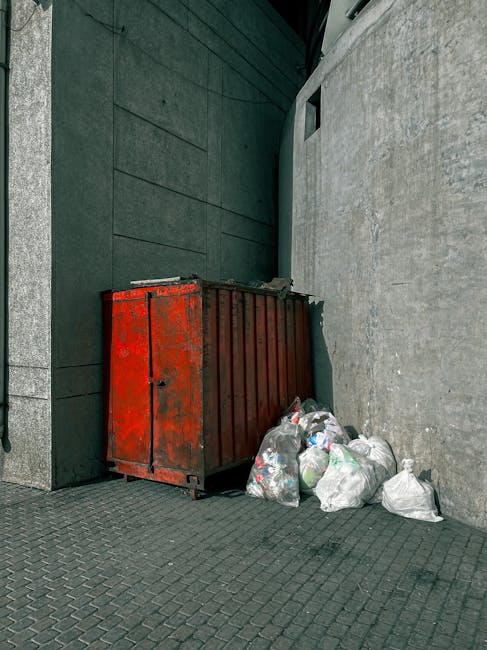
Fines often arise from fly-tipping, incorrect disposal, or non-compliance with site rules. You may also run into problems if waste is left on the pavement, in a communal hallway, or in a place where it blocks access. Even a temporary placement can become a problem if it is not arranged properly.
Key Benefits and Practical Advantages
Staying on the right side of DIY waste rules is not just about avoiding punishment. There are real practical advantages, especially in London where space is tight and neighbours notice everything. A well-planned disposal method can save time, reduce stress, and keep your project moving.
- Lower risk of fines by choosing an allowed route from the start
- Faster project completion because waste does not pile up around you
- Cleaner and safer home space with fewer trip hazards and mess
- Better sorting and recycling when waste is separated properly
- Less transport stress if the load is matched to the vehicle and service
- Improved neighbour relations because rubbish is not lingering in shared areas
There is also a quieter benefit: peace of mind. You know where the waste is going, who is handling it, and what happens next. That matters more than people admit. It is one of those unglamorous things that makes the whole job feel under control.
For mixed household waste, furniture, or heavy items, services such as large item collection, furniture disposal, and mattress disposal can remove a lot of guesswork. If the waste is mainly recyclables or mixed rubbish, a more targeted route like recycling and rubbish may be a better fit.
Who This Is For and When It Makes Sense
This topic matters to anyone handling waste from a home project in London, but it is especially relevant in a few common situations.
Homeowners and tenants doing small DIY jobs
If you are replacing a bathroom, pulling up old flooring, clearing a shed, or repainting a room and discarding broken fittings, you need to know where that material can go. Small jobs can still create awkward waste. One broken cabinet can become a problem if it is left by the kerb for too long. And yes, that happens all the time.
Landlords and letting agents
End-of-tenancy clear-outs often produce a strange mix of household items, general waste, and forgotten DIY leftovers. If a property has been abandoned with bins overflowing or bulky items left behind, a compliant clearance route helps avoid complaints and penalties.
People clearing garages, lofts, and gardens
Garage and loft clearances tend to uncover all sorts of odd bits: broken furniture, old tins, DIY offcuts, discarded appliances, and packaging. A garden job can also produce more waste than expected, especially after cutting back hedges or removing soil and timber. In those cases, garage clearance, loft clearance, and garden clearance can be genuinely helpful.
People with limited time or no suitable vehicle
If you do not have a van, trailer, or the time to make repeat trips, DIY disposal can become inefficient very quickly. A single journey in the wrong car can also create loading and safety issues. In those situations, it often makes sense to use a service that can handle the collection for you.
Anyone unsure about waste classification
If you are looking at a pile of mixed debris and thinking, "Is this household waste, DIY waste, or something else entirely?" that is a sign to pause and check. That pause can save you money.
Step-by-Step Guidance
Here is a straightforward way to handle DIY waste in London without drifting into avoidable trouble.
- Identify the waste type. Separate general household waste from DIY debris, bulky items, electricals, white goods, and anything hazardous.
- Check the destination rules. If you are using a council site or collection route, confirm what they accept, how much they allow, and whether booking is needed.
- Sort before you move. Mix-and-match loads create headaches. Keep wood, rubble, metal, furniture, and electricals apart if possible.
- Plan your transport. Make sure the vehicle is appropriate and the load is secured. No wobbling towers of rubbish, please.
- Confirm any permit or booking requirements. If your route or vehicle needs prior permission, handle that first rather than hoping for the best.
- Keep records where practical. Notes, receipts, and job details help show where the waste went if a question comes up later.
- Use a lawful collection option when in doubt. If the load is awkward, mixed, or heavy, a clearance service can reduce risk and save time.
Here is the simplest test: if you are not sure whether your chosen route is allowed, do not assume it is. A quick check now is much cheaper than dealing with a fine later. Small delay, big benefit.
A practical example of the process
Imagine you have finished a bathroom refresh in a flat in south London. You have old tiles, a broken basin, a few bags of plasterboard, and an awkward cabinet that will not fit in the lift. Instead of trying to squeeze it all into one late-night run, you sort the materials, check the accepted disposal route, and decide whether a bulky collection or waste clearance makes more sense. Suddenly the job is manageable. Not glamorous, but manageable.
Expert Tips for Better Results
Most disposal mistakes are not dramatic. They are small, rushed decisions. The good news? A few habits can make a big difference.
- Break the job into categories. A mixed pile is harder to dispose of safely than sorted material.
- Assume heavy items need more planning. Sofas, mattresses, fridges, and wardrobes are awkward for a reason.
- Do not overload a vehicle. If it looks unsafe, it probably is. Basic common sense counts here.
- Use professional help for mixed loads. It is often simpler than making multiple trips.
- Protect shared spaces. Hallways, stairwells, and pavements can become liability issues fast.
- Ask one good question early. "Can this waste go there?" is worth asking before the bags are tied and the door is already open.
In our experience, the best outcomes come from being slightly more cautious than you think you need to be. That extra five minutes of checking can save a whole day of backtracking. And nobody enjoys that, not really.
If your project includes old appliances or mixed furniture, services such as fridge disposal, white goods recycle, and sofa removal and collection can be useful alternatives to a DIY run.
Common Mistakes to Avoid
Some mistakes show up again and again. They are usually avoidable, which is the frustrating part.
Assuming all DIY waste is treated the same
It is not. Renovation debris, household junk, and bulky items may all follow different acceptance rules. Mixing them together can create problems at the point of disposal.
Leaving waste in communal or public areas
It might feel temporary, but temporary is not always safe or allowed. A bag left near the front door can become an obstruction, a complaint, or both.
Using an unverified waste carrier
If someone offers to take your rubbish cheaply and quickly, ask yourself a simple question: where is it actually going? If you do not know, that is a red flag. A big one.
Forgetting that load size matters
A small collection of bags is one thing. A full van of mixed debris is another. The larger the load, the more likely you are to need a more formal solution.
Ignoring special items
Fridges, mattresses, electricals, and anything with fluids or sharp parts need more care. These items are often the ones that trip people up.
Trying to do everything in one rush
That last-minute "we'll just sort it later" approach is exactly how people end up with clutter in the hallway and stress in the air. It sounds funny until you are the one carrying a wobbly wardrobe down two flights of stairs.
Tools, Resources and Recommendations
You do not need complicated tools to dispose of DIY waste properly, but a few basics make life easier.
- Heavy-duty sacks for smaller debris and loose waste
- Rubble bags or builders' bags for denser material, if appropriate
- Work gloves to reduce cuts and scrapes
- Mask and eye protection when dealing with dusty or sharp waste
- Tape and straps to secure items during transport
- Basic labels or marker pens to mark sorted waste
For larger home projects, it also helps to look at services built around the type of waste you have. A job involving old furniture may suit furniture clearance or furniture removal and collection. A property that needs a broader reset may be better served by home clearance or house clearance.
For anyone comparing cost, process, or service scope, it can also help to review pricing and quotes and the company's approach to recycling and sustainability. That gives you a better sense of whether a provider matches the size and nature of your job.
Law, Compliance, Standards, or Best Practice
When discussing DIY waste in London, the safest approach is to treat compliance as a process rather than a single rule. The key principle is simple: waste should be stored, transported, and handed over in a lawful way, with reasonable care taken to prevent littering, fly-tipping, or unsafe handling.
Best practice usually means:
- using authorised disposal routes
- keeping waste separated where practical
- ensuring transport is safe and secure
- checking whether a site or carrier accepts the material
- avoiding abandonment on streets, pavements, or communal land
Where regulations or site rules are involved, the exact requirements can vary by council, waste type, and vehicle arrangement. That is why a cautious check is always worth doing. If you are unsure, treat the answer as "not yet" until you have confirmed it properly. A slightly boring answer, maybe. But a safer one.
Professional operators should also have clear safety and operational standards. If you are comparing providers, look for obvious signs of care around the job itself, not just the headline price. A strong approach to insurance and safety and transparent operations is reassuring. It is one of those things you only appreciate when a tight staircase, a heavy item, or a wet driveway is involved.
For commercial or mixed-use premises, different rules may apply to business-generated waste. In that case, pages such as business waste removal, commercial waste collection, and commercial waste disposal are more relevant than DIY household routes.
Options, Methods, or Comparison Table
There is no single "best" way to dispose of DIY waste in London. It depends on volume, item type, urgency, and how much effort you want to put in. Here is a practical comparison.
| Option | Best for | Pros | Watch-outs |
|---|---|---|---|
| Self-haul to an approved site | Small to medium DIY loads | Direct control, useful if you already have transport | Must follow site rules, booking, and load restrictions |
| Council collection or bulky item service | Bulky household items and limited clear-outs | Convenient and familiar | May have limits on item type, quantity, and timing |
| Private rubbish or waste clearance | Mixed, awkward, or time-sensitive loads | Less lifting, fewer trips, more flexibility | Needs a trustworthy, compliant operator |
| Specialist item disposal | Fridges, mattresses, furniture, white goods | Better handling for specific materials | Wrong category choice can still cause issues |
For a lot of London households, the decision comes down to one simple question: do you want to spend your Saturday doing repeated trips, or do you want the waste gone with less effort? No shame either way. But know the trade-off.
Case Study or Real-World Example
Here is a realistic scenario. A couple in a London flat decide to replace old flooring and a few bathroom fittings. They have broken laminate, a cracked sink, packaging, and two heavy bags of debris. At first, they assume they can just load the car and take everything away in one go.
Once they check the situation properly, they realise the mixed load is awkward, the items are heavier than expected, and the disposal route they first considered may not suit all of it. Instead of guessing, they separate the waste, set aside the items needing special handling, and book a collection for the bulkier pieces. The result is boring in the best possible way: no drama, no rejected load, no complaints from neighbours, and no last-minute scramble.
That is the real value of understanding DIY waste rules. It turns a messy job into a structured one. Not exciting, perhaps, but much better than a fine and a van full of confusion.
We see the same pattern with properties that need a broader clear-out after a renovation, move, or change of use. A service like property clearance can be the difference between "we'll deal with this later" and "done by lunchtime."
Practical Checklist
Use this checklist before you move any DIY waste in London.
- Have I identified exactly what type of waste I have?
- Have I separated bulky, sharp, dusty, or special items?
- Do I know where the waste is going?
- Does that destination accept this kind of material?
- Do I need a booking, permit, or pre-approval?
- Is my vehicle suitable and safely loaded?
- Have I avoided leaving waste in a communal or public area?
- Have I checked whether a collection service would be easier and safer?
- Do I have any records or confirmation details saved?
- Am I certain the disposal route is lawful?
If you can tick all of those off, you are in a much better position. If not, pause and recheck. That pause is not wasted time. It is usually the most useful part of the whole job.
Conclusion
DIY waste disposal in London does not need to feel like a legal puzzle, but it does need a bit of care. The rules around permits, accepted waste, transport, and fines are there for a reason: they reduce fly-tipping, keep streets clear, and make sure rubbish ends up where it should. Once you understand the basic flow, the process becomes far less intimidating.
The main takeaway is simple. Sort your waste, check the disposal route, respect local rules, and choose a collection method that fits the job rather than forcing the job to fit the method. That approach saves time, reduces stress, and keeps you away from avoidable penalties. And honestly, that is the whole game.
If your load is bulky, mixed, or just more than you want to wrestle with on your own, a compliant clearance option can make the difference between a smooth day and a very annoying one.
Get a free quote today and see how much you can save.
Sometimes the smartest move is also the calmest one. A clear space, a clear head, and no nasty fine waiting in the post-that is a decent result, isn't it?
Frequently Asked Questions
Do I need a permit for DIY waste disposal in London?
Sometimes, yes, depending on the site, vehicle, and disposal route. Some council sites or collection systems have booking rules or access conditions, so it is best to check before you travel.
What happens if I dispose of DIY waste incorrectly?
You may face enforcement action, refusal at the site, extra fees, or a fine if the waste is dumped or handled unlawfully. The exact outcome depends on what happened and where.
Can I put DIY waste in my normal household bins?
Usually not if it is bulky, heavy, sharp, or construction-type material. Household bins are typically for ordinary domestic waste, not building debris or large items.
Is plasterboard treated differently from other DIY waste?
Often, yes. Plasterboard can have separate handling rules because it is not always accepted in the same way as mixed rubble or household rubbish. Check the disposal route carefully.
Can I take a sofa or mattress to a London tip myself?
Often you can, but you may need to follow site rules on bookings, vehicle type, and item acceptance. A dedicated collection service can be easier if you do not have suitable transport.
What is the safest way to avoid fines?
Use a lawful route, keep waste sorted, confirm what the destination accepts, and avoid leaving anything in public or shared spaces. A little checking goes a long way.
Are council collection services always cheaper than private clearance?
Not always. Council services can be cost-effective for certain items, but private clearance may be better value for mixed loads, larger clear-outs, or time-sensitive jobs.
How do I know if a waste carrier is legitimate?
Ask for details about where the waste will go, what they take, and how they handle disposal. A reputable operator should be clear and consistent. If answers are vague, be careful.
Can DIY waste be mixed with garden waste?
Sometimes, but not always. Garden waste, DIY debris, and general rubbish may follow different handling rules. Mixed loads should be checked rather than assumed.
What should I do with electrical items from a DIY project?
Electrical items often need separate treatment. Things like fridges, white goods, and damaged appliances should be handled through an appropriate collection or recycling route.
Is it worth using a professional clearance service for a small job?
If the item is awkward, heavy, or difficult to transport safely, yes, it can be worth it. You are paying for convenience, proper handling, and less risk of getting the disposal wrong.
What is the biggest mistake people make with DIY waste in London?
Assuming the waste can just be dealt with later. That delay often leads to blocked hallways, rushed decisions, and disposal choices that are not compliant. Better to plan it once and do it properly.