Legal Steps for Hazardous Waste Disposal in London
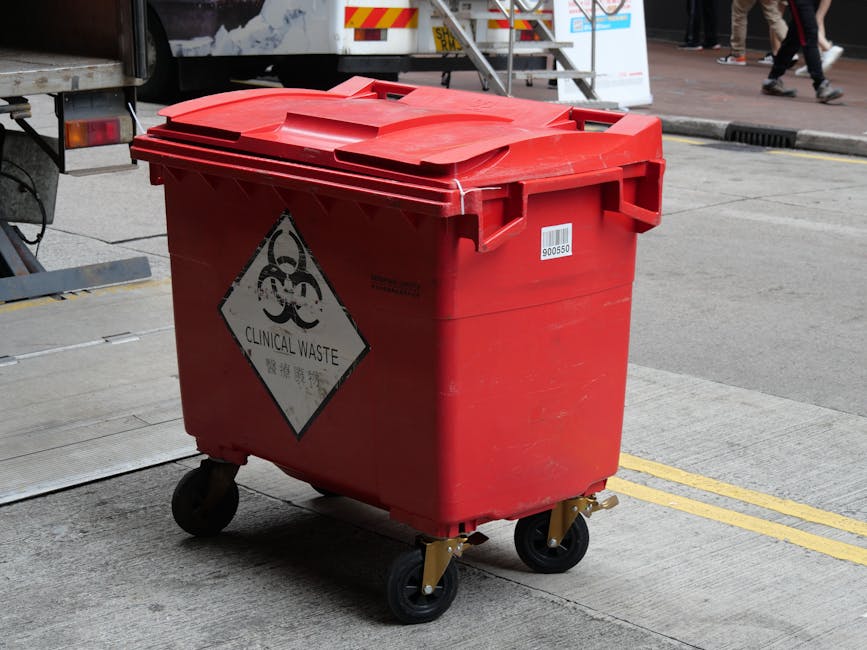
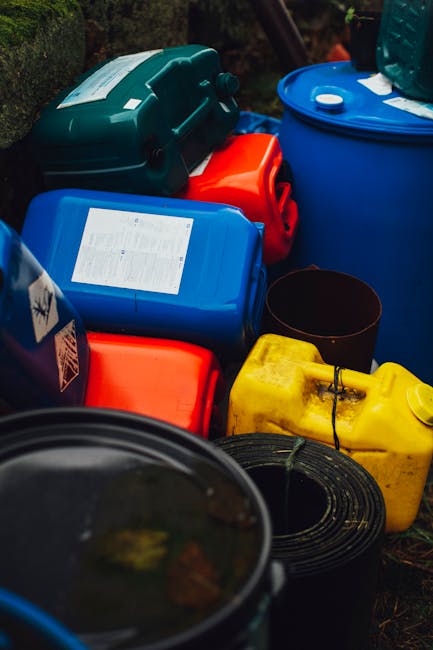
If you are dealing with chemicals, paints, solvents, fluorescent tubes, batteries, fridges, oils, or any other material that cannot simply go in the bin, the legal steps for hazardous waste disposal in London can feel a bit heavier than they first look. There is paperwork, duty of care, the question of who is allowed to move what, and the ever-present worry of getting it wrong. Truth be told, that worry is sensible.
London is busy, tightly regulated, and full of properties that produce mixed waste streams: flats, offices, shops, workshops, refurbishment sites, and households clearing out old stores or garages. This guide breaks the process down in plain English. You will learn what counts as hazardous waste, how legal disposal works, what documentation matters, where people usually trip up, and how to stay compliant without making life harder than it needs to be.
To make things practical, we will also cover checks you can do before collection, the decisions that matter most, and the real-world differences between hazardous waste, general rubbish, and commercial waste. If you need related support for non-hazardous items, it can also help to understand services such as rubbish removal, waste disposal, and commercial waste disposal, because the boundaries between waste types are where a lot of confusion starts.
Table of Contents
- Why Legal Steps for Hazardous Waste Disposal in London Matters
- How Legal Steps for Hazardous Waste Disposal in London Works
- Key Benefits and Practical Advantages
- Who This Is For and When It Makes Sense
- Step-by-Step Guidance
- Expert Tips for Better Results
- Common Mistakes to Avoid
- Tools, Resources and Recommendations
- Law, Compliance, Standards, or Best Practice
- Options, Methods, or Comparison Table
- Case Study or Real-World Example
- Practical Checklist
- Conclusion
- Frequently Asked Questions
Why Legal Steps for Hazardous Waste Disposal in London Matters
Hazardous waste is not just "messy waste". It can be harmful to people, property, drainage systems, air quality, and the wider environment if it is handled badly. In London, that matters even more because waste moves through dense neighbourhoods, shared access routes, and tightly controlled collection systems. One wrong disposal decision can affect a block of flats, a business unit, or a whole loading bay in no time.
The legal side exists for a reason. Hazardous materials often need separation, correct labelling, secure storage, and movement by an authorised carrier. Some items require specialist treatment before disposal or recycling. Others may need proof that they were transferred correctly. The process is there to make sure the waste is tracked and treated safely, not casually dumped or mixed in with ordinary rubbish. Seems obvious, but people still do it every week.
There is also a reputational angle. A landlord, facilities manager, builder, office manager, or householder who disposes of hazardous waste incorrectly can end up dealing with complaints, delays, clean-up costs, and in serious cases enforcement action. If you are responsible for a property or a business, that is not a small detail. It is part of doing the job properly.
Expert summary: In London, legal hazardous waste disposal is really about three things: identifying the waste correctly, handing it to the right people, and keeping a clear record of what happened to it. Get those three right and the process becomes much easier.
How Legal Steps for Hazardous Waste Disposal in London Works
The process usually starts with identification. Before anything is collected, you need to know whether the item is hazardous, potentially hazardous, or simply bulky non-hazardous waste. That distinction matters. A paint tin with a little residue is different from a drum of solvent. A fridge is not the same as a sofa, even if both are awkward to move. Small detail, big difference.
Once the waste has been identified, the next step is safe storage and preparation. This may mean keeping items upright, sealed, segregated, and away from heat or drainage points. For businesses, it often means keeping waste in a secure area until collection. For homes or landlords clearing a property, it can mean not mixing it with general clearance waste. You can see why services like waste clearance or recycling and rubbish are helpful for standard items, but hazardous materials need an extra layer of care.
After that comes the transfer stage. In practical terms, the waste should be passed to a carrier that is authorised to take it, with paperwork completed where required. For commercial situations, this normally includes keeping records such as transfer notes or consignment details, depending on the waste type and the parties involved. The exact documents can vary, so it is worth checking the status of the material rather than assuming every item uses the same form. That assumption causes headaches, honestly.
Finally, the waste needs to be treated, recycled, recovered, or disposed of at the right facility. In many cases, the person producing the waste does not handle this final stage directly. But they still carry responsibility for making sure the chain is lawful. That is what the "duty of care" idea is really about: not just handing things over and hoping for the best.
For example, if a small business in central London is clearing an old back room full of packaging mixed with cleaning chemicals, the chemicals should be separated and checked before the rest of the clearance is booked. If you are dealing with a larger office move, pairing hazardous disposal with office clearance can help keep the process tidy and properly documented.
Key Benefits and Practical Advantages
There is a tendency to think legal compliance is only about avoiding trouble. That is part of it, sure. But there are practical benefits too, and they are not small.
- Lower risk of fines or enforcement problems: If waste is identified and handled correctly from the start, you reduce the chance of non-compliance.
- Safer working conditions: Staff, contractors, tenants, and visitors are less likely to come into contact with dangerous materials.
- Cleaner operations: Once hazardous waste is separated, the rest of the clearance usually runs faster and more smoothly.
- Better audit trail: Clear records help if a landlord, insurer, auditor, or compliance officer asks what happened to the waste.
- More responsible environmental handling: Some hazardous items can be recovered or recycled through the right channel rather than simply discarded.
There is also a quieter advantage: less stress. You know where the waste has gone. You know the risk is under control. That matters more than people admit. Particularly in London, where jobs often happen fast, in traffic, in shared entrances, or in properties where nobody wants a pile of old material sitting around for another week.
If your waste stream includes mixed furniture, appliances, or end-of-life household items, it can help to separate them before arranging disposal. Services like furniture removal and collection and white goods recycle can be useful for the non-hazardous parts, leaving the regulated items to be handled properly.
Who This Is For and When It Makes Sense
This topic is not just for large factories. In London, hazardous waste turns up in all sorts of places.
- Households clearing out garages, lofts, sheds, or old DIY stock.
- Landlords and letting agents dealing with abandoned items, fly-tipped waste, or end-of-tenancy clearances.
- Office managers removing old IT kit, cleaning products, fluorescent lamps, or battery waste.
- Builders and contractors handling site chemicals, sealants, containers, and renovation debris.
- Retail and hospitality businesses disposing of stock, maintenance products, or refrigeration-related waste.
- Property managers and estate teams who need a lawful, documented process for mixed waste loads.
The question is less "Do I ever need this?" and more "Is there anything in this load that changes the rules?" If the answer might be yes, pause before loading it into a general collection. That pause can save a lot of trouble.
People often assume hazardous waste is only something dramatic, like chemicals in drums. Not really. It can be something fairly ordinary-looking that still needs careful disposal: an old fridge, a broken tube light, paint products, batteries, or oil containers with residue. It is the residue and the risk profile that matter, not just the size of the item.
Step-by-Step Guidance
Here is a practical way to approach hazardous waste disposal in London without overcomplicating it.
- Identify the waste properly. Make a list of the items and note what they are, how they were used, and whether they have residue, contamination, or mixed contents.
- Separate hazardous from non-hazardous items. Do not bundle everything together just because it is easier. Mixed loads often slow things down and can make compliant disposal harder.
- Check packaging and labels. Original containers, hazard labels, and safety data sheets can help identify the correct disposal route. If labels are missing, treat the item with extra caution.
- Store the waste safely. Keep it away from heat, drains, and public access. Use stable placement and secure lids where possible.
- Confirm who is collecting it. Make sure the carrier or contractor is suitable for the waste type. If you are using a clearance service, ask how they handle regulated materials before the booking is made.
- Prepare the paperwork. Keep transfer notes, consignment records, or other required documentation. For businesses, records matter as much as the removal itself.
- Arrange collection or drop-off through the correct route. Some items can be handled through specialist collection; others may need a controlled facility. Never guess if the item is not straightforward.
- Keep your records. File documentation safely and make sure the waste trail is traceable later. It is one of those boring jobs that becomes very interesting if anyone asks for it later.
A simple real-world example: a flat in west London has old paint tins, a broken fridge, batteries, and some general furniture. The furniture can be handled separately through furniture clearance, but the paint, batteries, and fridge need a more careful check before removal. That split approach is usually cleaner, safer, and easier to document.
Quick decision guide
If you are unsure whether an item is hazardous, ask yourself three things: Does it contain chemicals or residue? Could it injure someone if handled badly? Does it need specialist treatment rather than ordinary disposal? If two answers are yes, do not treat it as standard rubbish.
Expert Tips for Better Results
A few small habits make a surprising difference. In our experience, most disposal problems are not caused by complex law. They come from rushed sorting and poor assumptions.
- Photograph the waste before collection. It helps with internal records and reduces disputes later if the load changes.
- Keep hazardous items grouped by type. Batteries, lamps, chemicals, aerosols, and refrigeration items should not all be shoved into one corner if you can avoid it.
- Ask for a pre-collection check when the load is mixed. This is especially useful for offices, shops, and void properties.
- Do not overfill containers. A half-secured container is asking for trouble, and nobody needs that on a wet London morning.
- Plan access and loading space in advance. In terraces, basement flats, and tight mews roads, access can be the difference between a smooth job and a very awkward one.
- Separate clearance from disposal decisions. Clearing a property and legally disposing of hazardous waste are related, but they are not the same task.
A small but useful detail: keep a short log of who identified the item, when it was removed, and what was done with it. You may never need it. But if you do, you will be grateful you kept it.
If you are managing a business premises, it is often worth pairing hazardous waste planning with broader business waste removal so the whole site is tidied in one structured pass rather than in several half-finished trips.
Common Mistakes to Avoid
Some mistakes show up again and again. They are easy to make, especially during a busy clearance, but they are avoidable.
- Mixing hazardous waste with general waste. This is one of the most common and most costly errors.
- Assuming one waste type fits all. A fridge, battery, chemical container, and sofa each have different disposal considerations.
- Leaving items unlabelled or unsealed. That makes handling less safe and slows down lawful processing.
- Using a collector without checking suitability. If the carrier is not right for the material, you may still carry the responsibility.
- Ignoring paperwork. Verbal agreement is not enough in many business or regulated situations.
- Delaying disposal for too long. The longer hazardous waste sits around, the more likely it is to leak, break, smell, or cause a problem.
- Not separating reusable items from waste. Sometimes people throw out equipment that could be handled differently, which is both wasteful and expensive.
Here is a very human one: someone clears an office cupboard, finds a box of old cleaning products, and chucks it in with the archive paper because the paper bin is already there. It happens. But that tiny shortcut can turn into a compliance issue fast. Better to pause for two minutes than unravel a messy job later.
Tools, Resources and Recommendations
You do not need a complicated toolkit, but a few resources make the job much easier.
| Tool or resource | Why it helps | Best use |
|---|---|---|
| Waste inventory list | Helps you identify what you have before collection | Homes, offices, landlords, and refurb projects |
| Labels and marker pens | Supports safe sorting and clearer handling | Storage areas and mixed loads |
| Camera or phone photos | Creates a basic visual record before removal | Compliance files and dispute prevention |
| Transfer or consignment paperwork | Documents the chain of custody where required | Business and regulated disposals |
| Building or site access notes | Makes collections smoother in busy London locations | Basements, estates, and tight streets |
As for recommendations, the most useful one is simple: do not treat every clearance provider the same. Some teams are geared toward general waste, some toward bulk items, and some toward more specialised removal. Ask clear questions upfront. What do they do with regulated materials? What records do they provide? How do they separate hazardous from non-hazardous items?
If your waste is mostly bulky rather than hazardous, services such as bulky waste collection, large item collection, or bulk waste collection may be appropriate for the non-regulated part of the job. That keeps the specialist handling focused where it is actually needed.
Law, Compliance, Standards, or Best Practice
Without turning this into a legal lecture, the key principle is straightforward: the producer of the waste has responsibilities, not just the collector. In the UK, hazardous waste handling is governed by a combination of waste duty of care expectations, classification rules, and carrier/transfer requirements that vary by material and context. For businesses in particular, the duty to describe, separate, store, and transfer waste correctly is not optional.
In practice, compliance usually means the following:
- Correct classification: Knowing what the waste is before it moves.
- Safe storage: Preventing leaks, mixing, or unauthorised access.
- Authorised transport: Using a carrier that is appropriate for the waste type.
- Record keeping: Keeping notes or consignment records where needed.
- Proper treatment/disposal route: Making sure the material goes to the right facility and not into a general stream by mistake.
Best practice often goes beyond the minimum. For example, many London businesses benefit from a written internal procedure for hazardous waste, especially if different teams handle ordering, storage, and collection. Even a one-page process note can prevent confusion. A bit old-school, perhaps, but effective.
If your site also deals with fire-risk materials, damaged appliances, or safety-sensitive items, it is sensible to review wider operational controls through pages such as health and safety policy and insurance and safety so the disposal process sits inside a broader risk framework.
Options, Methods, or Comparison Table
Different disposal routes suit different situations. Here is a straightforward comparison to help you choose the right one.
| Method | Best for | Pros | Watch out for |
|---|---|---|---|
| Specialist hazardous waste collection | Chemicals, contaminated items, batteries, lamps, regulated materials | Usually the safest and most compliant option | Needs proper sorting and may involve more preparation |
| Mixed property clearance with separation | Homes, offices, and void properties with both standard and regulated waste | Efficient if the team can separate streams properly | Requires clear instructions and good site checks |
| General bulky waste collection | Furniture, appliances, and large non-hazardous items | Good for getting larger items out quickly | Not suitable for hazardous contents or contamination |
| Business waste service | Commercial premises with regular waste streams | Useful for ongoing compliance and routine clearance | Still needs a separate approach for hazardous material |
If your job includes a full premises clear-out, it can help to compare specialist hazardous handling with broader house clearance or home clearance options. The right choice often depends on whether the hazard is isolated or mixed through a whole property.
Case Study or Real-World Example
A property manager in north-west London was dealing with a basement store room in a mixed-use building. The room contained old cleaning chemicals, damaged lamps, several batteries, a broken fridge, and a lot of ordinary packaging. On first inspection it looked like a standard clearance. It was not.
The team separated the items before booking removal. The packaging and general clutter were handled as ordinary waste, while the chemicals, lamps, batteries, and fridge were flagged for the correct route. The key win was not speed; it was order. The site stayed safe, the paperwork was easier to manage, and the landlord avoided the classic "one load, many waste types" problem that causes so much confusion.
What made the difference? A simple checklist, a quick photograph of each waste group, and a decision not to rush. Nothing glamorous. Just good habits. That is usually how compliant disposal works in real life, not with grand speeches.
In a similar scenario, an office move in London might combine archive removal, old seating, and a few outdated IT accessories. The non-hazardous items can be handled through office clearances, while the regulated items are segregated and removed through the proper route. It is tidy, lawful, and much less stressful on the day.
Practical Checklist
Use this checklist before arranging hazardous waste disposal in London.
- Identify every item that might be hazardous.
- Separate hazardous waste from general rubbish.
- Check labels, residues, and packaging.
- Store items safely and securely.
- Keep waste away from heat, drains, and public access.
- Confirm the collector is suitable for the material.
- Prepare any required paperwork or internal records.
- Take photos if the load is mixed or uncertain.
- Plan access, lifting, and loading in advance.
- Keep documentation after collection.
And one more, because it matters: if you are not sure, stop and ask. That is not overcautious. That is sensible.
Conclusion
Legal hazardous waste disposal in London is less about memorising rules and more about following a clear, careful process. Identify the material, separate it, store it properly, use the right collection route, and keep a record. Simple on paper, but it makes a real difference in practice.
Whether you are a homeowner clearing a garage, a landlord dealing with a vacant flat, or a business manager trying to keep a site compliant, the same principle applies: do not guess. Small details matter, and a little structure goes a long way. That is especially true in a city like London, where space is tight, access is tricky, and waste problems have a way of becoming visible fast.
Get a free quote today and see how much you can save.
When the right process is in place, hazardous waste feels less like a crisis and more like a task you can actually finish. That is a good place to be.
Frequently Asked Questions
What counts as hazardous waste in London?
Hazardous waste is material that can harm people, property, or the environment if handled incorrectly. Common examples include chemicals, solvents, batteries, fluorescent tubes, contaminated containers, oils, and some electrical or refrigeration items. The exact classification depends on what the item is and what it contains.
Do I need special paperwork for hazardous waste disposal?
Often, yes, especially for business or commercial waste. The type of paperwork depends on the material and the route used, but records such as transfer notes or consignment information are commonly expected in regulated situations. Keeping clear records is a smart move even when you are not sure they will be requested.
Can hazardous waste go in general rubbish?
No, not if it is truly hazardous. Mixing regulated material with general rubbish is one of the most common mistakes and can create safety and compliance problems. If you are unsure, treat it as separate until it has been checked properly.
How do I know if an item is hazardous or just bulky waste?
Look at what the item contains, whether it has residue, whether it was used with chemicals, and whether it needs specialist treatment. A sofa is bulky waste. A fridge is bulkier and may need special handling. A paint tin or solvent container is a different matter entirely.
Is hazardous waste disposal more expensive than normal waste removal?
Usually, yes, because it may require specialist handling, sorting, paperwork, and specific treatment routes. The cost can vary depending on the type and volume of waste. Still, proper separation often keeps the overall job more efficient and can prevent unnecessary charges.
Can landlords be responsible for hazardous waste left by tenants?
They can be responsible for arranging proper removal, especially if the waste is on their property or in their control. The exact legal position depends on circumstances, but landlords should never assume that a tenant's waste is automatically someone else's problem. It usually falls back onto whoever is managing the site.
What should I do if the waste has no label?
Do not assume it is safe. Unlabelled waste should be treated cautiously, especially if it could contain chemicals or residue. If possible, separate it, document it, and ask for a proper assessment before collection.
Are fridges and freezers considered hazardous waste?
They often need special handling because of refrigerants, insulating materials, and electrical components. In many clearance jobs, they are treated separately from ordinary furniture or rubbish. If you are arranging a larger clear-out, keep them off the general pile.
How long should I keep hazardous waste records?
That can depend on the type of waste and the obligations involved, but keeping records for a sensible period is good practice. Businesses in particular should store documentation long enough to support audits, checks, or any later questions about the disposal trail.
Can I arrange hazardous waste disposal as part of a house clearance?
Yes, provided the hazardous items are identified and handled properly. A house clearance can include a mix of standard and regulated waste, but the hazardous part must be separated and managed under the correct rules. A careful pre-check makes the whole process smoother.
What is the safest first step if I find old chemicals in a property?
Leave them where they are if moving them would create risk, keep people away, and arrange proper assessment or collection. Do not tip, decant, or mix them. If the containers are damaged or leaking, treat the situation with extra caution and get help promptly.
How can I reduce the risk of compliance problems?
Use a clear inventory, separate waste types, choose a suitable collector, and keep records. The biggest compliance wins usually come from simple discipline rather than complicated systems. A careful first pass saves a lot of stress later, and that is usually the difference between a smooth removal and a messy one.